

Why Santa Fe? And why now?
Pursuit of History Weekends were designed for people who are passionate about history, giving them an unparalleled opportunity to dive deep and explore history where it happened. We planned to cover a wide range of topics, regions, and time periods, and from our earliest brainstorming, Santa Fe was on the short list of historic locations we wanted to explore.
With our series of programs covering the revolution in the East beginning this spring in Cambridge and covering 1774, this seemed like the perfect time to develop and present a much earlier revolution—this one in the West and much less understood.
“New Spain” versus “New England”
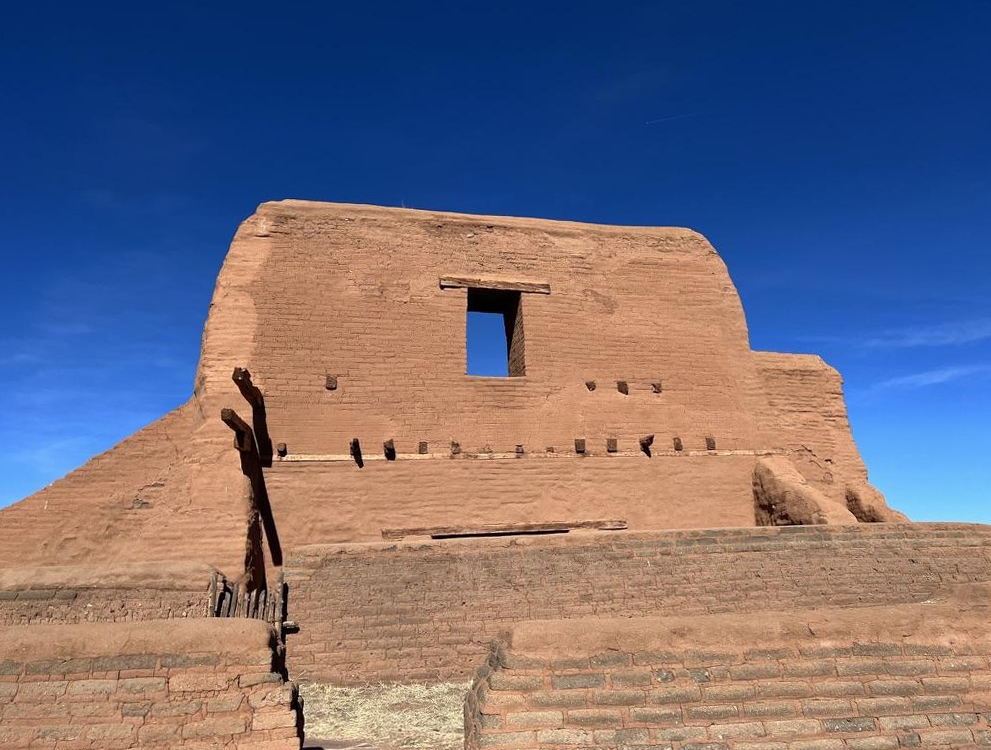
Santa Fe’s history is fascinating and important on its own, but it also provides an important perspective on how we think about our nation’s founding. The 1680 Pueblo Revolt, which was successful (for a time) in resisting the European colonizing empire and its taxes and impositions—even ousting them, for a time—took place almost a hundred years before Lexington and Concord.
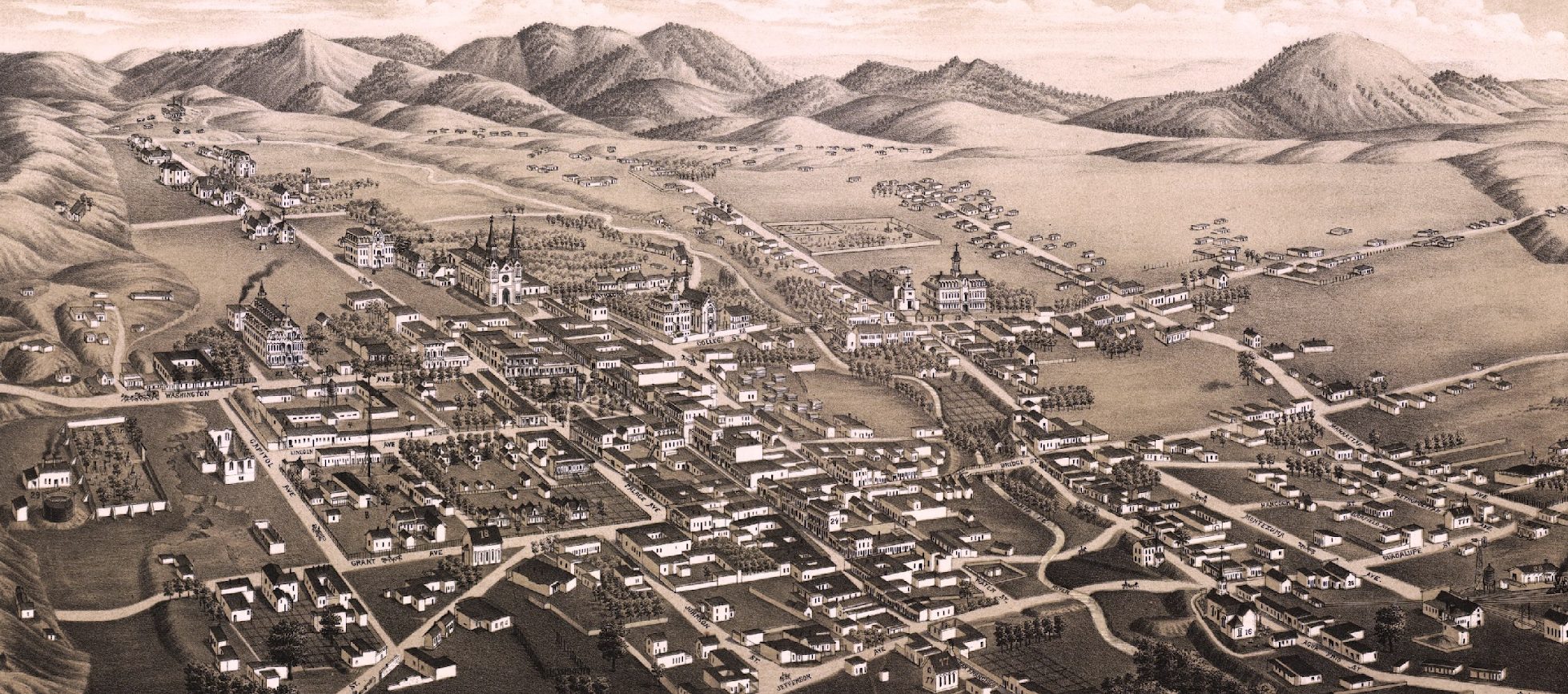
The story of Santa Fe is the story of a European colonial capital carved out of the North American wilderness starting in 1610, within about a year of the founding of Jamestown and Quebec. These three cities represented three competing European powers, each bringing a different view of empire, land, native peoples, and geopolitics to different places on the continent.
Moving to Santa Fe many years after college on the East Coast—professors included Bernard Bailyn and Doris Kearns Goodwin—I discovered an entirely new founding story, with complex Indigenous history and the challenging history of Spanish and US interaction with the indigenous populations and each other.
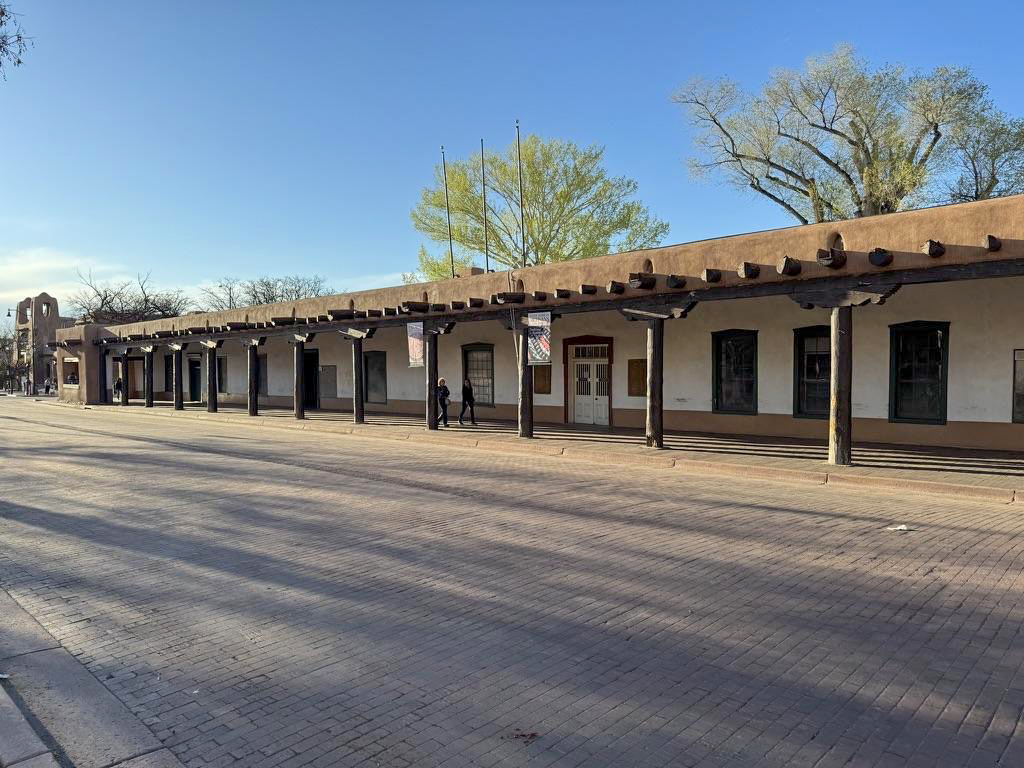
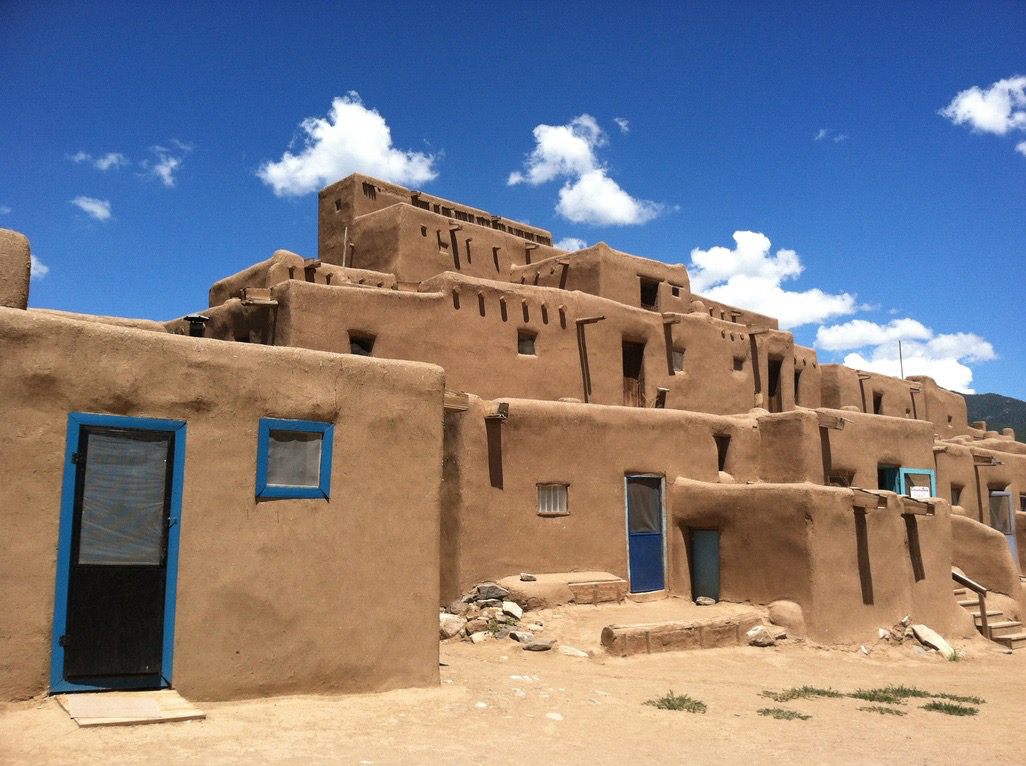
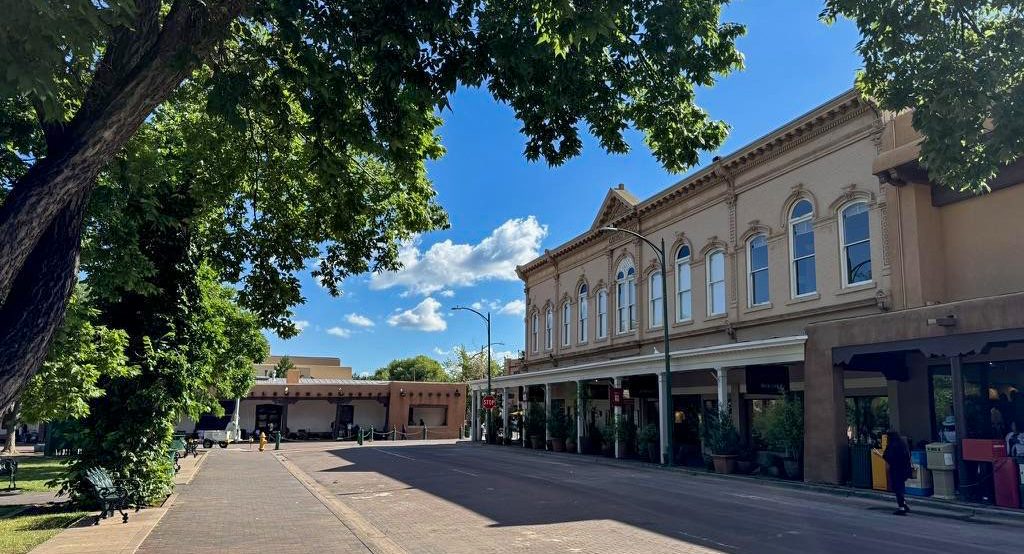
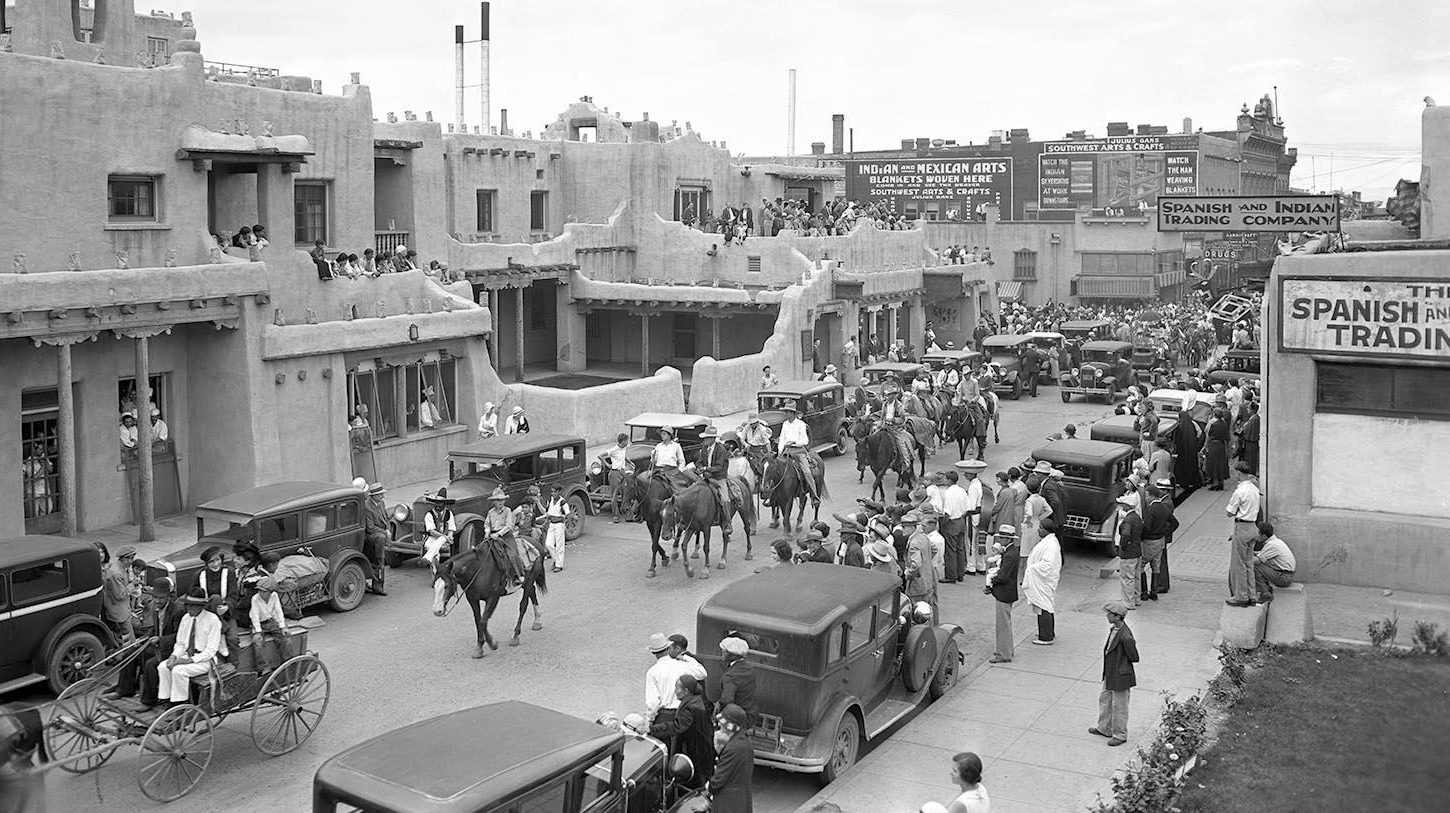
History is alive here in Santa Fe. The past doesn’t stay in the past. Each layer of Santa Fe history is alive, visible, tangible, even conversational. Tribal communities aren’t in the past or off in some corner. Pueblos and the Navajo Nation and Apache reservations are all around us. Their festivals and culture influence what we do and see every day.
— Scott Nadler, Program Director, The Pursuit of History: Santa Fe
During The Pursuit of History: Santa Fe, we’ll hear about the indigenous perspective from a former State historian who is indigenous who grew up in a small town northern New Mexico and is now leading groundbreaking work researching indigenous slavery throughout the Western hemisphere. Native curators and educators at the Museum of Indian Art and Culture will help us better understand what happened and why.
We’ll hear about the Spanish perspective from the current Santa Fe city historian, a Hispanic resident who has written about the challenges of preserving Hispanic identity in a tourist town. We’ll hear about the Anglo interaction from Hampton Sides, a best-selling author who has followed his powerful story of Kit Carson and the American arrival and impact with insightful books about other cultural interactions (like his new book on the final voyage of Captain Cook).
To help tie it all together, we’ll hear from journalist and best-selling author and Santa Fe native Anne Hillerman, who has continued her father Tony Hillerman’s mysteries with her own voice, weaving together the region’s people, history, landscape, and culture.
All together, it’s a unique, rigorous, authentic and really interesting window into this very special place for a small number of history lovers from across country.
Updated October 17: The event is sold out.

Lee Wright
Founder and President
Scott Nadler
Santa Fe Program Director